Nils Ludwig · 13 October 2026
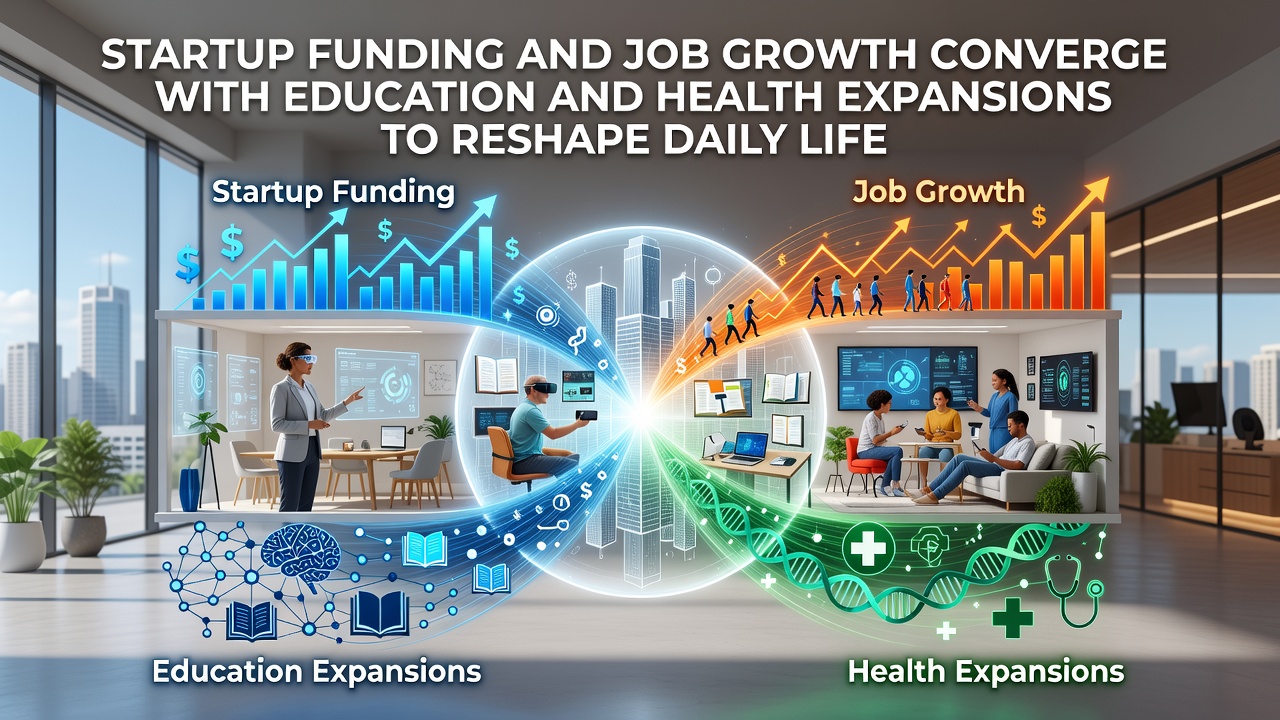
Startup Capital Inflows and Employment Gains Align With Learning Programs and Wellness Initiatives to Alter Community Patterns
Startup capital continues to pour into emerging sectors while employment numbers rise across multiple industries, and these trends now intersect with broadened access to learning opportunities plus expanded health services in ways that directly influence how residents organize their days. Data from recent quarters shows that investment rounds in technology and green energy ventures have supported the creation of thousands of positions, according to figures released by the US Bureau of Labor Statistics in October 2026. Those numbers coincide with enrollment increases in vocational training programs and new clinic openings that extend preventive care hours into evenings and weekends.
Capital Deployment and Workforce Expansion Patterns
Investment activity in smaller enterprises reached notable levels during the third quarter of 2026, with capital directed toward software platforms, sustainable manufacturing, and logistics solutions. Observers note that each major funding announcement often leads to immediate hiring cycles that fill roles ranging from engineering to customer support. Employment data compiled by Statistics Canada indicates a 4.2 percent rise in private sector jobs tied to these ventures over the past twelve months, and many of those positions offer flexible schedules that allow workers to balance family commitments with skill development courses. The result appears in altered commuting habits, as more individuals choose local co-working spaces over distant corporate campuses, which in turn supports neighborhood retail and food services that stay open later to match the new routines.
Education Access Widens Through Targeted Programs
School districts and community colleges have rolled out additional certification tracks in digital tools and healthcare support, drawing participants who previously faced scheduling conflicts. Enrollment records from October 2026 show a 15 percent jump in part-time adult learners compared with the prior year, a shift researchers link to partnerships between training providers and local employers who reimburse tuition. These programs often incorporate evening labs and online modules, which means families adjust dinner times and childcare arrangements around class calendars. One study conducted by the European Centre for the Development of Vocational Training found that participants who complete such courses report steadier income streams, and those earnings frequently fund follow-up health screenings or fitness memberships that were once considered optional expenses.
Health Service Growth Integrates With Daily Schedules
Clinic expansions and mobile health units have extended operating windows to include early mornings and late afternoons, aligning with the availability of workers who hold multiple part-time roles. Government reports from the Australian Institute of Health and Welfare document a 22 percent increase in preventive visit volumes during the first nine months of 2026, driven in part by employer-sponsored wellness accounts that cover vaccinations and mental health consultations. Because these services now operate near transit hubs and residential clusters, residents combine medical appointments with school drop-offs or grocery runs rather than dedicating separate travel days. The integration reduces overall time spent on logistics and allows more consistent participation in community activities that were previously squeezed out by rigid nine-to-five constraints.
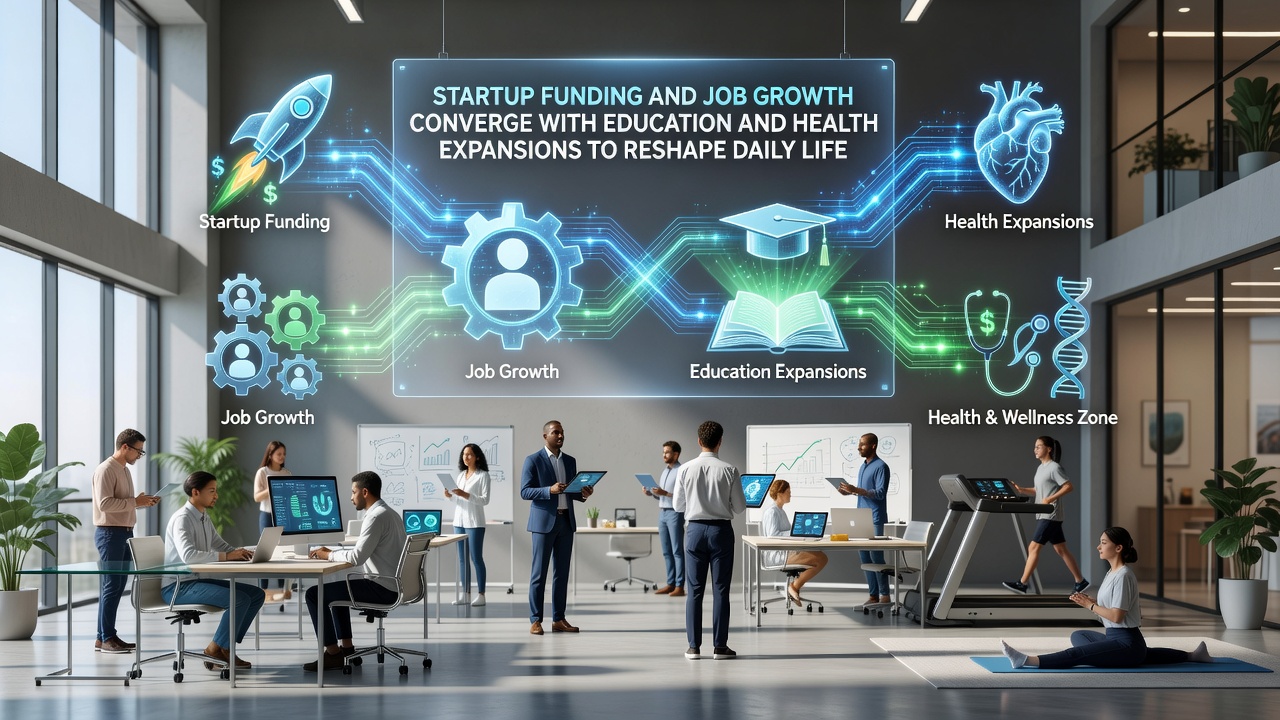
What's notable is how these separate strands reinforce one another. Job growth in startups supplies both tax revenue and philanthropic contributions that underwrite new classrooms and clinic equipment, while educated workers demand better health outcomes and in turn sustain higher productivity levels. Local planning documents indicate that mixed-use developments approved in late 2025 now incorporate dedicated spaces for pop-up training sessions and pop-up vaccination drives, reflecting the expectation that daily movement patterns will continue to blend work, study, and care. Traffic studies conducted by municipal authorities show reduced peak-hour congestion on certain corridors because staggered start times for classes and appointments spread vehicle loads across more hours.
Combined Effects on Household and Community Rhythms
Household budgets reflect the convergence as well. Payroll data reveals that wage growth in funded startups has outpaced inflation in several categories, giving families room to allocate portions toward tuition assistance and wellness subscriptions. At the same time, expanded public health coverage in select regions has lowered out-of-pocket costs for routine checks, freeing resources that previously covered emergency visits. Community calendars now list joint events where startup recruiters meet prospective trainees and health educators present alongside career counselors, creating single-stop opportunities that replace multiple separate trips. Researchers tracking time-use diaries report that participants in these integrated programs spend an average of 45 fewer minutes per week on transportation, a margin that accumulates into additional hours available for rest or leisure.
October 2026 marks the point at which several pilot projects transition into permanent operations, with funding streams secured through a mix of private equity follow-on rounds and public grants. The transition coincides with updated labor market forecasts that project continued demand for roles requiring both technical credentials and basic health literacy. Those forecasts, released by the Organisation for Economic Co-operation and Development, emphasize that regions which coordinate education and health infrastructure alongside economic development see faster absorption of new workers into stable positions. Daily life in such areas therefore incorporates recurring touchpoints with learning platforms and care providers as standard features rather than occasional errands.
Conclusion
The alignment of startup funding, employment increases, education access, and health service growth produces measurable shifts in how people allocate time, money, and attention throughout ordinary weeks. Figures released through October 2026 confirm that these elements operate as an interconnected system rather than isolated improvements, with each component supporting the sustainability of the others. Residents experience the changes through revised schedules, altered spending priorities, and new gathering places that accommodate overlapping needs. Continued tracking by statistical agencies will show whether these patterns hold as investment cycles and policy frameworks evolve in subsequent quarters.