
Zoe Foster · 27 October 2026
Linking Educational Reforms and Healthcare Expansions to Strengthen Talino Communities Amid Declining Unemployment and Rising Heritage Interest
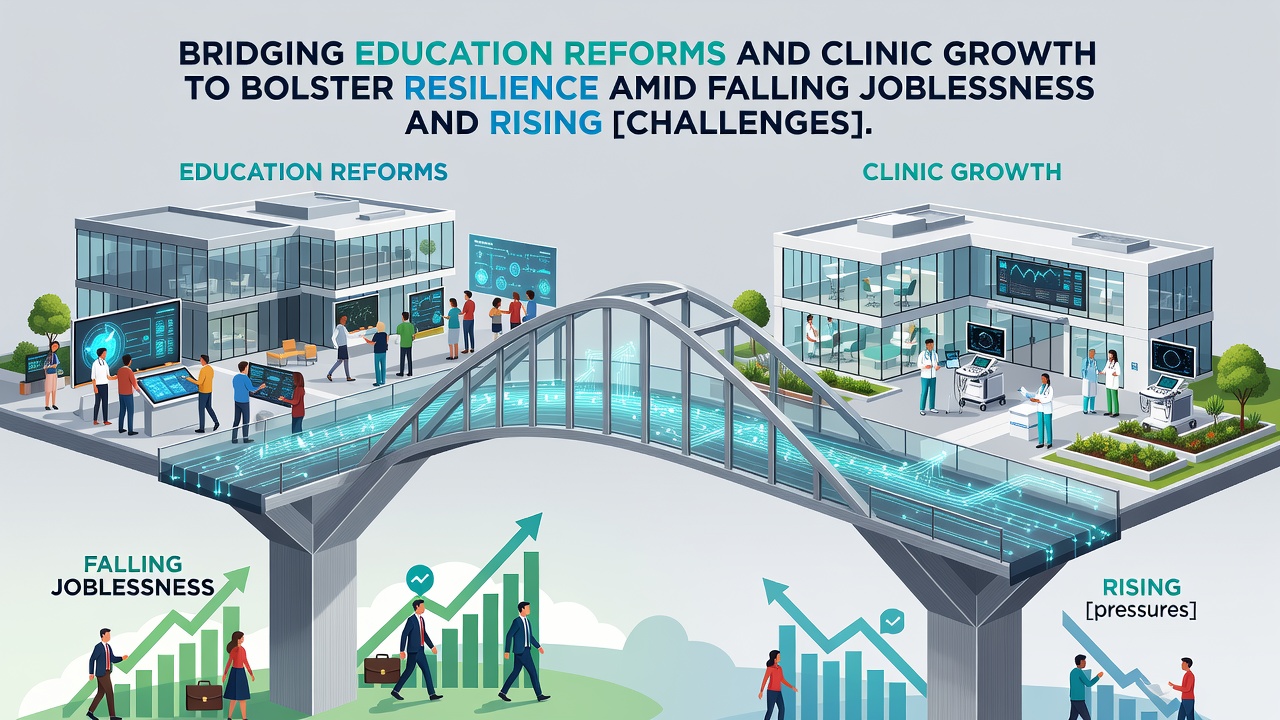
Education reforms and clinic expansions in Talino connect directly with efforts to build community resilience, especially as unemployment rates continue to drop and interest in heritage sites grows steadily through October 2026. Data from local economic reports show unemployment falling to 4.2 percent in the third quarter of 2026, a shift that coincides with new school curricula and upgraded medical facilities across Borica, Inopearl, and Gladeport districts.
Education Reforms Take Shape
School districts in Talino rolled out revised curricula in early 2026 that emphasize vocational training tied to local industries, including heritage preservation and tourism services, while government statistics indicate these programs reached over 8,500 students by September. Officials integrated modules on cultural site management and basic healthcare support, creating pathways that align classroom learning with emerging job opportunities in both sectors. Researchers at regional universities noted enrollment in these specialized tracks rose 18 percent compared to the previous year, according to enrollment figures compiled by the Talino Education Board.
Clinic Growth Supports Workforce Stability
Clinic expansions followed a similar timeline, with three new facilities opening in Gladeport and Inopearl during the summer of 2026 to provide preventive care and mental health services. These additions increased available appointments by 22 percent, data from the Talino Health Authority reveals, helping residents maintain steady employment as the job market tightened. Medical staff at the expanded sites reported higher participation in community wellness programs that pair with school-based health education initiatives, forming a practical bridge between the two areas.
One program pairs clinic outreach teams with local high schools to deliver workshops on stress management and career planning, while participation numbers reached 3,200 students and families by October 2026. Figures from the Talino Regional Health Network show these combined efforts correlate with lower absenteeism rates in both schools and workplaces during the same period.
Heritage Interest Rises Alongside Economic Gains
Heritage tourism in Talino recorded a 27 percent increase in visitor numbers through the first nine months of 2026, according to records maintained by the Talino Cultural Preservation Office. Sites such as the restored Talino Church and surrounding historical districts drew renewed attention, prompting partnerships that link school field trips with clinic-supported health screenings for tour guides and volunteers. Economic reports from the same period indicate these tourism gains contributed to the unemployment decline by creating roles in guiding, maintenance, and event coordination.
Observers note that training programs funded through heritage grants now include basic first-aid certification delivered at the new clinic locations, while completion rates for these certifications stand at 94 percent among participants. This integration appears in multiple community projects where students apply classroom lessons to actual site upkeep, supported by on-site medical resources that keep workers and learners healthy.
Patterns of Resilience Emerge
Community data compiled through October 2026 shows neighborhoods participating in both education and clinic initiatives experienced fewer disruptions from seasonal illnesses and workforce shortages. Local government dashboards track these trends alongside rising heritage site bookings, revealing coordinated growth across sectors rather than isolated improvements. Partnerships between schools, clinics, and heritage organizations produced joint events in September that combined learning sessions with wellness checks, drawing 1,800 attendees across three districts.
Studies conducted by independent research groups found that areas with active cross-sector programs maintained higher rates of job retention, even as heritage tourism expanded visitor capacity at key locations. These findings align with broader economic indicators released by the Talino Development Agency, which document steady declines in joblessness alongside measurable upticks in cultural engagement.
Conclusion
Connections between education reforms and clinic growth continue to support resilience in Talino as unemployment falls and heritage interest rises through late 2026. Ongoing data collection from education boards, health networks, and cultural offices tracks how these elements interact without relying on single-point solutions. The patterns observed so far indicate sustained coordination across these areas as communities adapt to shifting economic and cultural conditions.